Guides
Medical Conditions Reviewed During an IRCC Immigration Medical Exam: A Complete Guide
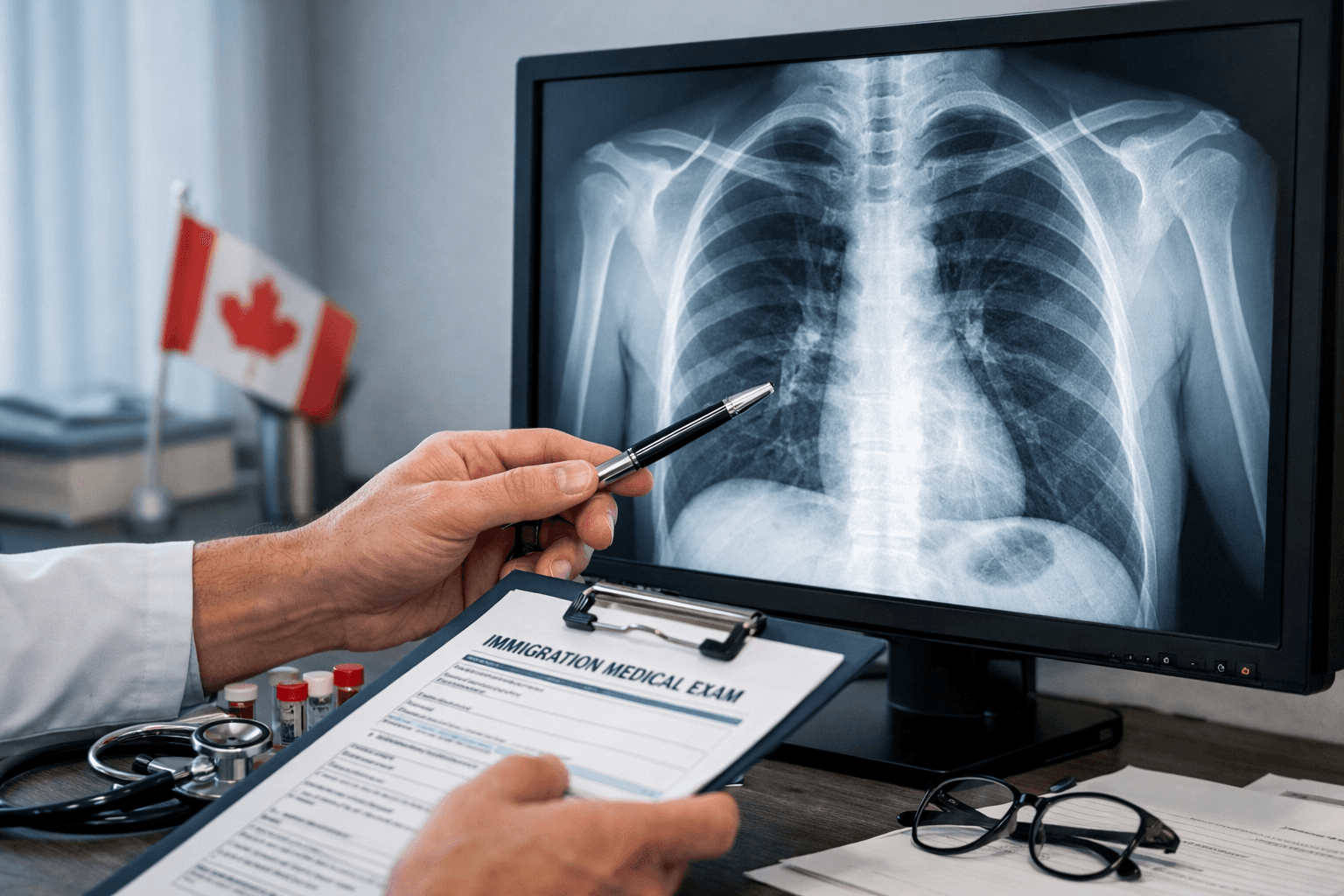
This guide explains some of the medical conditions reviewed by IRCC during an immigration medical exam conducted by panel physicians. Learn what tests are required, how conditions are assessed, and what to expect when completing your exam at GTA Immigration Physicians.
Many applicants applying for Canadian immigration worry about whether a medical condition could affect their application. At GTA Immigration Physicians, questions about medical conditions and IRCC requirements are among the most common concerns raised by patients attending their immigration medical exam.
An immigration medical exam is not intended to screen for perfection or exclude applicants unnecessarily. It is a standardized medical assessment used by Immigration, Refugees and Citizenship Canada to collect health information that supports immigration decision-making.
This guide provides a general breakdown of a few of the medical conditions reviewed during an immigration medical exam, some types of assessments performed, and how medical information is evaluated as part of the IRCC process.
What Is the Purpose of the IRCC Immigration Medical Exam?
An immigration medical exam is required for many applicants applying for permanent residence, work permits, post-graduate work permits, and certain long-term temporary visas.
The exam must be completed by an IRCC-approved panel physician. Clinics such as GTA Immigration Physicians follow standardized federal medical instructions and submit results electronically to IRCC. Panel physicians do not approve or refuse applications; their role is to perform the exam, document findings accurately, and submit the medical file.
IRCC reviews medical information to assess:
• Public health considerations
• Public safety considerations
• Potential demand on health or social services
If you are unsure whether you need an immigration medical exam at your current stage, you can check out our other blog that explains who needs an immigration medical exam in Canada based on visa type, age, and IRCC rules.
How IRCC Evaluates Medical Conditions
IRCC does not evaluate applicants based solely on the presence or absence of a diagnosis. Medical conditions are assessed using a broader clinical context.
Factors considered may include:
• Nature of the condition
• Current medical status
• Ongoing treatment or monitoring needs
• Impact on daily functioning
• Information required for immigration decision-making
Medical information collected during the exam at GTA Immigration Physicians is reviewed together with the applicant’s overall immigration file.
Infectious Diseases Reviewed During the Immigration Medical Exam
Tuberculosis (TB)
Tuberculosis screening is a core component of the immigration medical exam. All applicants aged 11 and over are required to complete a chest X-ray as part of the standard IRCC medical assessment.
The medical exam looks for findings consistent with:
• Active pulmonary tuberculosis
• Evidence of untreated or infectious TB
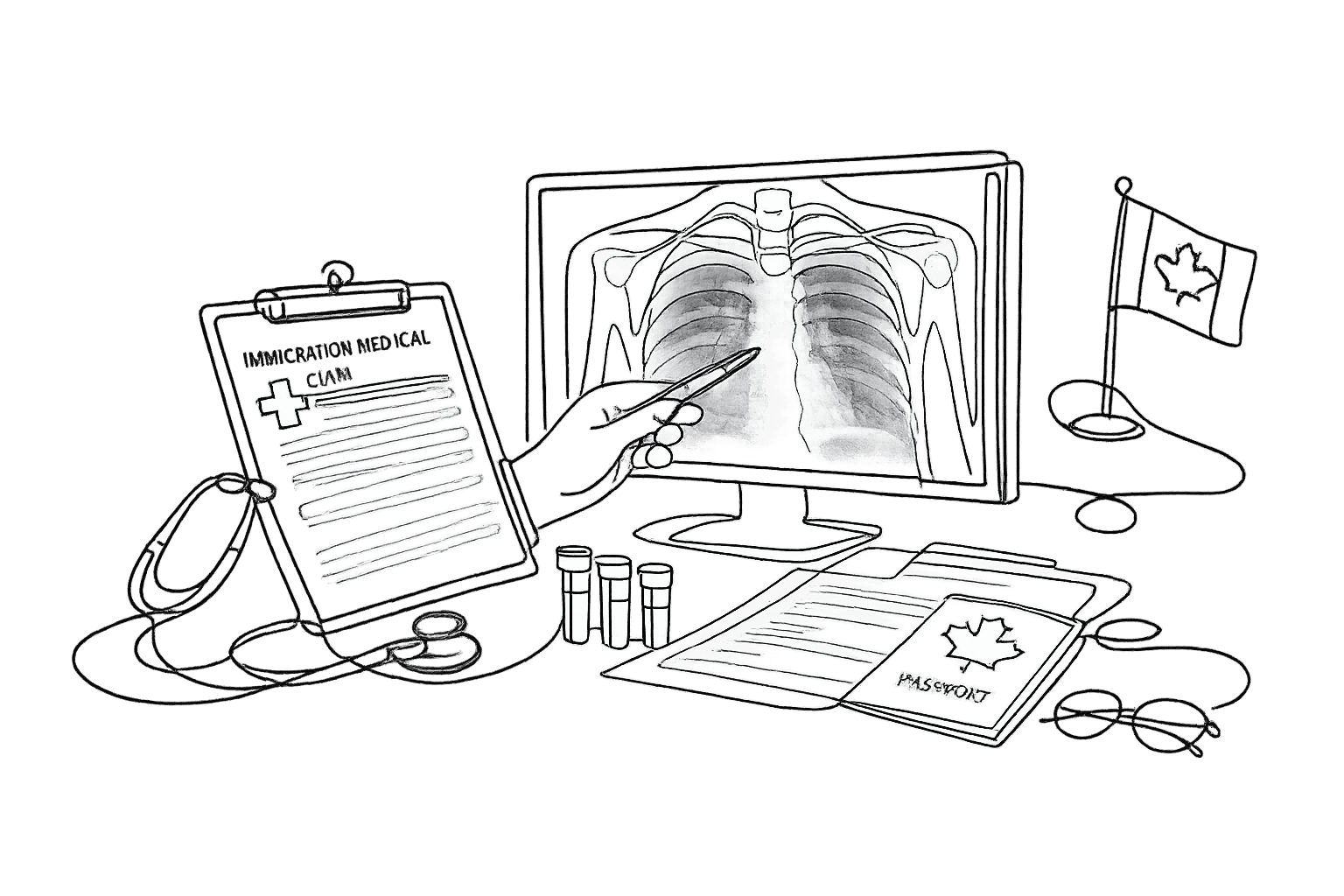
Chest X-ray findings are reviewed alongside medical history and physical examination results. If you would like more detail on why chest X-rays and bloodwork are required, you can check out our other blog that explains the medical tests done during an immigration medical exam in Canada.
HIV
HIV testing is included in bloodwork for applicants within the required age ranges.
In certain circumstances, HIV testing may also be required in younger applicants depending on medical history. HIV results are reviewed by IRCC alongside other medical findings, and any further steps depend on the specific medical information submitted.
Syphilis
Syphilis screening is also included in the blood tests performed during an immigration medical exam.
As with HIV testing, syphilis testing may be required in younger applicants in specific circumstances based on medical history. Results are documented and reviewed by IRCC in the context of the full medical file.
Kidney Function and Blood Testing
Kidney function testing forms part of the standard bloodwork for many applicants attending GTA Immigration Physicians for their immigration medical exam.
In certain situations, kidney function testing may also be required in younger applicants depending on medical history or clinical findings. If you are wondering how blood tests and imaging affect processing timelines, you can check out our other blog that explains how long the IRCC immigration medical exam takes from appointment to submission.
Some Chronic Medical Conditions Reviewed During the Exam
Diabetes
Diabetes is documented as part of the medical history and clinical assessment.
The exam records information such as:
• Type of diabetes
• Current treatment
• Presence of complications
• Relevant laboratory findings
This information is included in the medical file transmitted by GTA Immigration Physicians to IRCC.
Heart and Cardiovascular Conditions
Cardiovascular conditions are reviewed through medical history, physical examination, and supporting documentation where applicable.
These may include:
• History of heart disease
• Arrhythmias
• Congenital heart conditions
• Prior cardiac procedures
Relevant findings are documented by the panel physician and submitted for IRCC review.
Lung and Respiratory Conditions
Respiratory conditions are assessed through medical history and chest imaging.
Conditions documented may include:
• Chronic respiratory disease
• History of lung infections
• Prior lung surgery
Chest X-ray findings are reviewed alongside the remainder of the medical file.
Kidney and Liver Conditions
Kidney Conditions
Kidney-related findings are recorded based on medical history, physical examination, and laboratory results.
Information may include:
• Chronic kidney disease
• Current management
• Relevant blood test findings
Liver Conditions
Liver conditions documented during the exam may include:
• Chronic hepatitis
• Cirrhosis or advanced liver disease
Laboratory findings and clinical history are included in the medical file.
Neurological Conditions
Neurological conditions are documented with attention to medical history, treatment, and functional impact.
These may include:
• Seizure disorders
• Stroke history
• Neurodegenerative conditions
• Neuromuscular disorders
Mental Health Conditions and Immigration Medical Exams
Mental health conditions are assessed as part of the overall medical history.
The exam may document:
• Current diagnosis
• Treatment history
• Hospitalization history
• Functional impact
If you want a broader explanation of how IRCC reviews medical information after submission, you can check out our other blog that explains how medical inadmissibility is assessed during Canadian immigration medical exams.
Cancer History and the Immigration Medical Exam
A past or current history of cancer is documented during the medical exam.
Information recorded may include:
• Type of cancer
• Treatment received
• Current medical status
• Follow-up or monitoring requirements
Pregnancy and the Immigration Medical Exam
Pregnancy does not prevent completion of an immigration medical exam at GTA Immigration Physicians.
Applicants may choose to defer the chest X-ray or proceed with appropriate shielding. If the X-ray is deferred, the immigration medical exam cannot be fully submitted to IRCC until the X-ray has been completed, which may delay overall application processing.
Blood tests and physical examinations can still be completed during pregnancy, and all findings are documented.

What Happens If IRCC Requests Additional Medical Information?
In some cases, IRCC may request further information such as:
• Additional blood tests
• Specialist reports
• Follow-up imaging
• Medical monitoring over time
Preparing for Your Immigration Medical Exam
Applicants attending GTA Immigration Physicians can help ensure an accurate assessment by:
• Bringing a current medication list
• Providing relevant medical history
• Answering questions honestly
• Following instructions provided by the panel physician
Final Thoughts
The immigration medical exam is a standardized medical assessment used to support immigration decision-making. It is not a pass-fail test and does not result in immediate decisions at the clinic level.
This article is intended as a general overview of a few of the medical conditions reviewed during an IRCC immigration medical exam. Individual cases will vary depending on the applicant’s medical history, findings on examination, and test results. In some situations, IRCC may request additional information or follow-up assessments before completing its review.
All medical information collected during the exam is reviewed by Immigration, Refugees and Citizenship Canada alongside the broader immigration application, and each case is assessed individually based on the complete medical record submitted.