Guides
What Happens After AOR in Canada? IRCC Processing Timeline, Medical Exam, and Next Steps
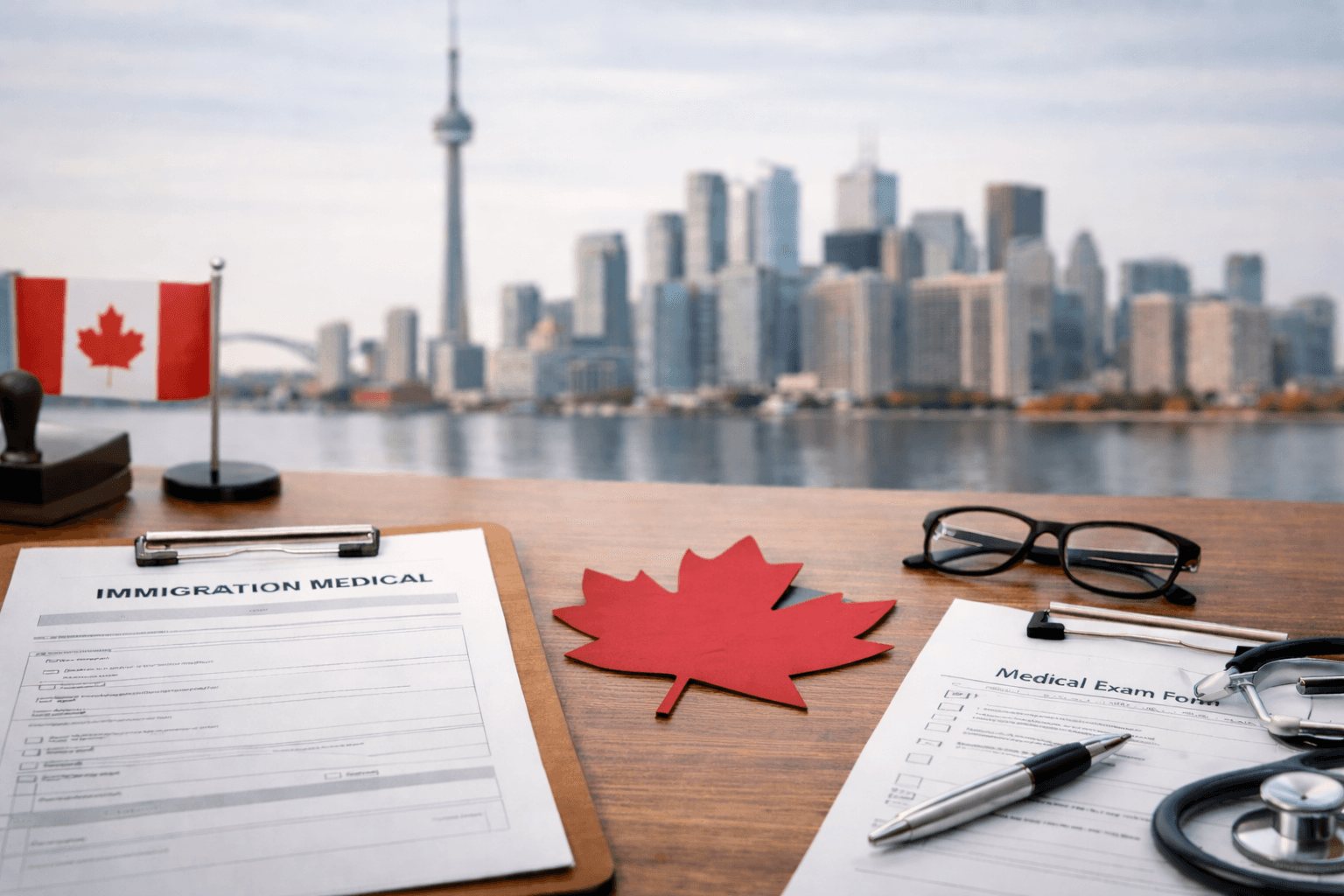
Learn what happens after AOR in Canada, including IRCC processing steps, timelines, and immigration medical exam requirements. This guide by GTA Immigration Physicians explains upfront medicals, panel physicians, and next steps for Express Entry and other applications.
Receiving your Acknowledgment of Receipt (AOR) from Immigration, Refugees and Citizenship Canada (IRCC) is a major milestone in the Canadian immigration process. For many applicants, however, AOR also marks the beginning of a long period of uncertainty. People commonly search for answers to questions such as what happens after AOR in Canada, how long IRCC processing takes, and when the immigration medical exam is required.
This guide explains exactly what happens after AOR, how IRCC processes applications once AOR is issued, when and why an immigration medical exam is needed, and why upfront medical exams are now especially important for Express Entry applicants. Understanding these steps can help reduce delays and ensure your application continues to move forward smoothly.
What Is AOR in Canadian Immigration?
AOR stands for Acknowledgment of Receipt. It is the confirmation from IRCC that your application has been received and passed an initial completeness check. This means that required forms were submitted, documents were uploaded, and fees were paid successfully.
AOR does not mean approval. It simply means IRCC has accepted your application for processing and formal assessment has begun.
If you want a detailed explanation of AOR and why it matters, see [AOR Meaning in Canada: What It Really Means for Your IRCC Application].
What Happens Immediately After AOR?
Once AOR is issued, IRCC begins internal processing. Even though applicants may not see frequent updates, several steps may be happening at the same time.
Application File Creation
Your application is entered into IRCC’s internal systems and placed into a processing queue based on your immigration program and stream.
Eligibility Review
IRCC officers begin assessing whether you meet the eligibility criteria for the program you applied under. This may include reviewing work history, education, and supporting documents.
Background and Security Screening
Background and security checks typically begin after AOR and may continue throughout the entire processing period. These checks are conducted by multiple agencies and are usually not visible to applicants.
When Does the Immigration Medical Exam Happen After AOR?
One of the most important questions after AOR is when the immigration medical exam is required. The answer depends heavily on the type of application you submitted.
Express Entry Permanent Residence Applications
For Express Entry applicants, the immigration medical exam is required upfront, meaning it must be completed before or at the time you submit your application, not after AOR.
IRCC currently requires Express Entry applicants to complete an upfront immigration medical exam with an IRCC-approved panel physician. Waiting for a medical request after AOR is not the standard process for Express Entry.
This makes the upfront immigration medical exam a critical step for Express Entry applicants. Completing the exam early ensures your application meets IRCC requirements and avoids delays caused by missing medical information.
Many Express Entry applicants book their upfront immigration medical exam with a panel physician even before submitting their application, so that proof of completion can be included right away.
Other Permanent Residence Programs
For many non–Express Entry permanent residence pathways, IRCC may issue medical instructions after the application is submitted and AOR is received. In these cases, applicants are typically asked to complete the immigration medical exam once IRCC reaches the medical admissibility stage.
Timelines vary, and some applicants receive medical instructions within weeks, while others wait longer.
Temporary Residence Applications (Work Permits, Study Permits, Visitors)
For many temporary residence applications, IRCC allows applicants to complete an upfront immigration medical exam before applying. This is often optional but can be beneficial in certain situations, such as when working in health care, education, or caregiving roles.
Why Upfront Immigration Medical Exams Are So Important
Upfront immigration medical exams have become increasingly important, especially for Express Entry applicants.
An upfront immigration medical exam:
Confirms medical admissibility early
Prevents delays later in processing
Allows IRCC to assess medical results without issuing additional requests
Helps keep applications moving smoothly once reviewed
For Express Entry applicants, an upfront medical exam is not just helpful — it is a required part of the process.
Applicants who delay or misunderstand this requirement risk processing delays or application issues.
To better understand the difference between waiting for instructions and completing an exam early, see [Upfront Medical Exam vs Medical Request Letter: What’s the Difference?].
What Happens During an Immigration Medical Exam?
An immigration medical exam must be completed by an IRCC-approved panel physician. The purpose of the exam is to assess whether an applicant meets Canada’s medical admissibility requirements related to public health, public safety, and excessive demand on health or social services.
Depending on age and IRCC requirements, an immigration medical exam typically includes:
A physical examination performed by a panel physician
Additional tests or investigations as required by IRCC
All results are submitted directly to IRCC by the panel physician through the approved electronic system.
At GTA Immigration Physicians, immigration medical exams are completed by experienced panel physicians, with required testing performed on site and results submitted directly to IRCC.
For a full breakdown of who requires an immigration medical exam, see [Who Needs an Immigration Medical Exam in Canada? Full Guide by Visa Type, Age, and IRCC Rules].
What Happens After the Immigration Medical Exam?
After your immigration medical exam is completed, the panel physician submits the results to IRCC. IRCC then reviews the medical information as part of your overall application.
Depending on your application and processing stage, you may later see an update in your IRCC account indicating that your medical results have been received or passed. The timing of this update varies and is not guaranteed to appear immediately.
Once medical assessment is complete, IRCC continues with:
Background verification
Security screening
Final eligibility review
For an overview of medical exam timelines, see [How Long Does the IRCC Immigration Medical Exam Take? Full Timeline Guide for Canada].

Can an Application Be Refused After AOR?
Yes. Receiving AOR does not guarantee approval. Applications can still be refused after AOR for reasons such as:
Ineligibility under the chosen program
Incomplete or inconsistent documentation
Medical inadmissibility
Security or background concerns
Completing required steps, including the immigration medical exam with a panel physician, accurately and on time is essential.
What Should Applicants Do While Waiting After AOR?
Although much of the post-AOR process involves waiting, applicants can take proactive steps.
Monitor Your IRCC Account
Check regularly for updates, document requests, or medical-related messages.
Prepare for or Complete the Immigration Medical Exam
If you are an Express Entry applicant, completing an upfront immigration medical exam early is essential. For other applicants, being prepared can help avoid delays once IRCC issues instructions.
You can review required documents in [What to Bring to Your Immigration Medical Exam in Canada: Complete Checklist].
How GTA Immigration Physicians Supports Applicants After AOR
Many applicants contact GTA Immigration Physicians after receiving AOR, particularly Express Entry applicants who need clarity around upfront immigration medical exams.
As an IRCC-approved panel physician clinic, GTA Immigration Physicians provides immigration medical exams for permanent residence, work permits, and other visa categories. Same-day and next-day appointments, on-site testing, and direct electronic submission help applicants meet IRCC requirements efficiently.
Completing your immigration medical exam with an experienced panel physician ensures compliance with IRCC guidelines and supports timely processing.
Final Thoughts on What Happens After AOR
After AOR, IRCC continues processing your application through eligibility review, background checks, and medical assessment. The exact order and timing depend on your immigration stream.
For Express Entry applicants, completing an upfront immigration medical exam with a panel physician is a required and essential step. For other applicants, understanding when medical exams are requested helps avoid confusion and delays.
Knowing what happens after AOR allows applicants to plan ahead and move through the immigration process with greater confidence.
Disclaimer
This article is provided for general informational purposes only and does not constitute legal, medical, or immigration advice. Immigration rules and medical requirements may change, and individual circumstances vary. Applicants should consult Immigration, Refugees and Citizenship Canada (IRCC), an immigration professional, or a qualified medical specialist for advice specific to their situation. Immigration medical exams must be completed by an IRCC-approved panel physician, and decisions should be made in consultation with appropriate professionals.